
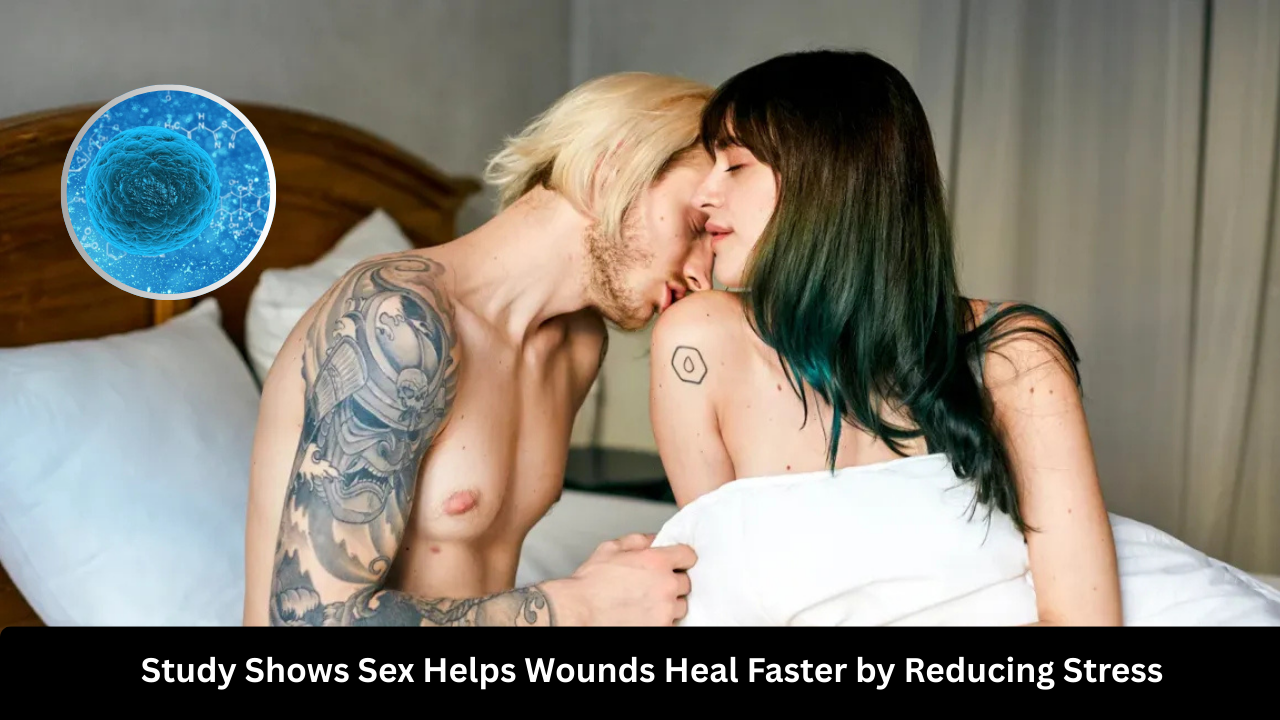
Healing has long been viewed as a purely medical process—one driven by antibiotics, bandages, and clinical procedures. However, emerging research continues to challenge this narrow view by revealing how deeply the mind, emotions, and social connections influence physical recovery. One such finding suggests that sexual intimacy can help wounds heal faster, largely by reducing stress. This insight invites a broader, more humanistic understanding of health, where emotional well-being and physical healing are inseparably linked.
The Connection Between Stress and Healing
Stress is one of the body’s greatest obstacles to recovery. When a person is under chronic stress, the body releases hormones such as cortisol that can suppress the immune system, slow cell regeneration, and interfere with inflammation control—all of which are essential for wound healing. High stress levels can delay recovery, increase the risk of infection, and prolong pain.
Conversely, when stress is reduced, the body enters a state more conducive to repair. Blood circulation improves, immune responses strengthen, and tissues regenerate more efficiently. This is where intimacy, including sexual activity, plays a significant role. Sexual connection has been shown to lower cortisol levels while increasing hormones like oxytocin and endorphins, which promote relaxation, bonding, and emotional comfort.
Sex as a Natural Stress Reliever
Sexual activity is one of the most natural and effective ways to reduce stress. Beyond physical pleasure, it provides emotional release and a sense of closeness that calms the nervous system. During intimacy, the body shifts away from a “fight-or-flight” response toward a state of safety and relaxation. This physiological shift creates an internal environment that supports healing.
Oxytocin, often called the “bonding hormone,” is particularly important in this process. It fosters trust and emotional connection while counteracting stress hormones. Endorphins released during sex also reduce pain perception and promote feelings of well-being, which can indirectly aid recovery by improving sleep, mood, and overall resilience.
Human Connection and Holistic Healing
From a humanistic perspective, the study’s findings emphasize that healing is not just a physical act but a deeply personal experience. Human beings heal best when they feel connected, supported, and emotionally secure. Intimacy—when consensual, respectful, and grounded in trust—can offer reassurance that one is not alone during vulnerability or pain.
This does not suggest that sex is a replacement for medical care. Rather, it highlights the importance of integrating emotional and relational health into healing practices. Touch, affection, and emotional closeness can complement traditional treatment by nurturing the psychological conditions that allow the body to heal more effectively.
Rethinking Health and Wellness
These findings also challenge societal discomfort around discussing sex as a legitimate part of health. Sexual well-being is often separated from medical conversations, despite being a natural aspect of human life. Recognizing its role in stress reduction and healing encourages a more open, compassionate approach to health—one that respects the whole person rather than isolating symptoms.
Importantly, intimacy does not have a single definition. While sexual activity may benefit some individuals, other forms of closeness—such as hugging, emotional bonding, or loving touch—can also reduce stress and promote healing. The core message is connection, not performance.
In the End
The idea that sex can help wounds heal faster by reducing stress reinforces a timeless truth: the body and mind are deeply connected. Healing is most effective when physical care is paired with emotional well-being and human connection. By acknowledging intimacy as a supportive factor in recovery, we move toward a more holistic, human understanding of health—one that honors not just the science of healing, but the humanity behind it.
